Understanding Seasonal Allergies: Tips from the Pharmacy Experts


Every year, as the seasons change, millions of people experience the discomfort of seasonal allergies. These allergies are triggered by airborne substances like pollen, which can cause symptoms such as sneezing, runny nose, and itchy eyes. Understanding these allergies and how to manage them effectively is crucial for maintaining your well-being.
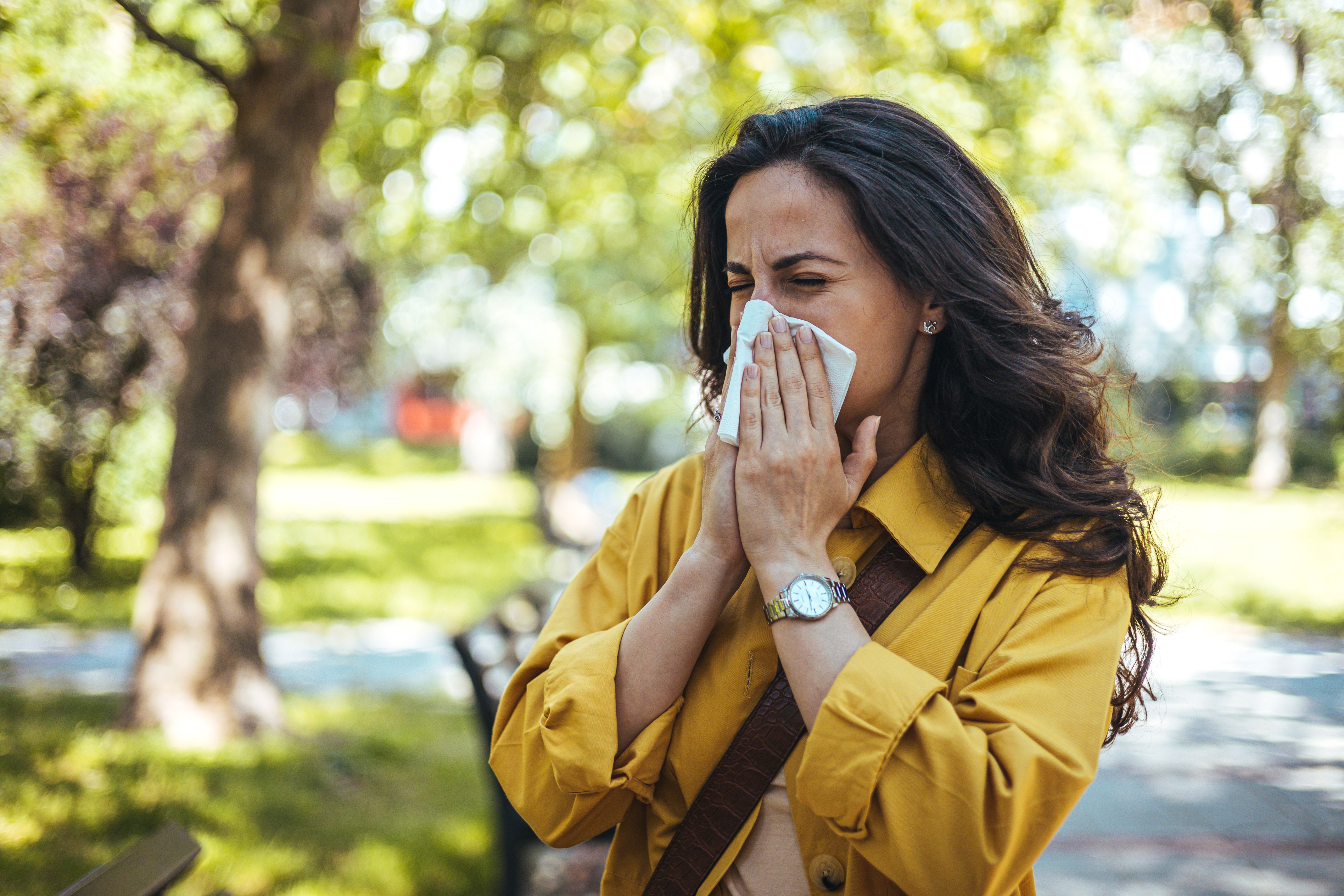
What Causes Seasonal Allergies?
Seasonal allergies are primarily caused by pollen from trees, grasses, and weeds. During spring, tree pollen is the main culprit, while grass pollen takes over in the summer. In the fall, weed pollen, particularly ragweed, is the primary trigger. These tiny particles are released into the air and can easily be inhaled, leading to an allergic reaction.
Common Symptoms
Symptoms of seasonal allergies can vary in severity but often include:
- Sneezing
- Runny or stuffy nose
- Itchy or watery eyes
- Itchy throat or ears
- Fatigue

Diagnosis and Treatment
If you suspect you have seasonal allergies, it's important to consult with a healthcare professional for a proper diagnosis. They may recommend allergy testing to identify specific triggers. Once diagnosed, several treatment options are available to manage symptoms effectively.
Over-the-Counter Medications
Many people find relief using over-the-counter (OTC) medications. These include antihistamines, decongestants, and nasal sprays. It's essential to follow the recommended dosages and consult with a pharmacist if you have any questions. Antihistamines can help reduce sneezing and itching, while decongestants relieve nasal congestion.

Natural Remedies and Lifestyle Tips
In addition to medications, there are several natural remedies and lifestyle changes that can help alleviate allergy symptoms:
- Keep windows closed during high pollen seasons to prevent allergens from entering your home.
- Use air purifiers to reduce indoor allergens.
- Shower and change clothes after spending time outdoors to remove pollen.
- Stay informed about pollen counts and plan outdoor activities accordingly.
Consulting Pharmacy Experts
Pharmacy experts can provide valuable guidance and recommend the best products to manage your seasonal allergies. They can also advise on potential interactions with other medications you may be taking. Don't hesitate to reach out to your local pharmacy for personalized advice.

By understanding the causes and treatments of seasonal allergies, you can take steps to minimize their impact on your daily life. Whether it's through medications, natural remedies, or expert advice, managing allergies effectively will help you enjoy each season to the fullest.