Understanding Seasonal Allergies: A Pharmacist's Perspective


What Are Seasonal Allergies?
Seasonal allergies, often referred to as hay fever or allergic rhinitis, are triggered by the body's response to outdoor allergens like pollen. These allergens are typically more prevalent during certain times of the year, hence the term "seasonal." Individuals may experience symptoms such as sneezing, itchy eyes, and a runny nose.
Understanding the root cause of these allergies is crucial for effective management. The immune system mistakenly identifies harmless pollen as a threat, leading to an overreaction. This response is what causes the uncomfortable symptoms many experience.
Common Triggers
The most common triggers for seasonal allergies include:
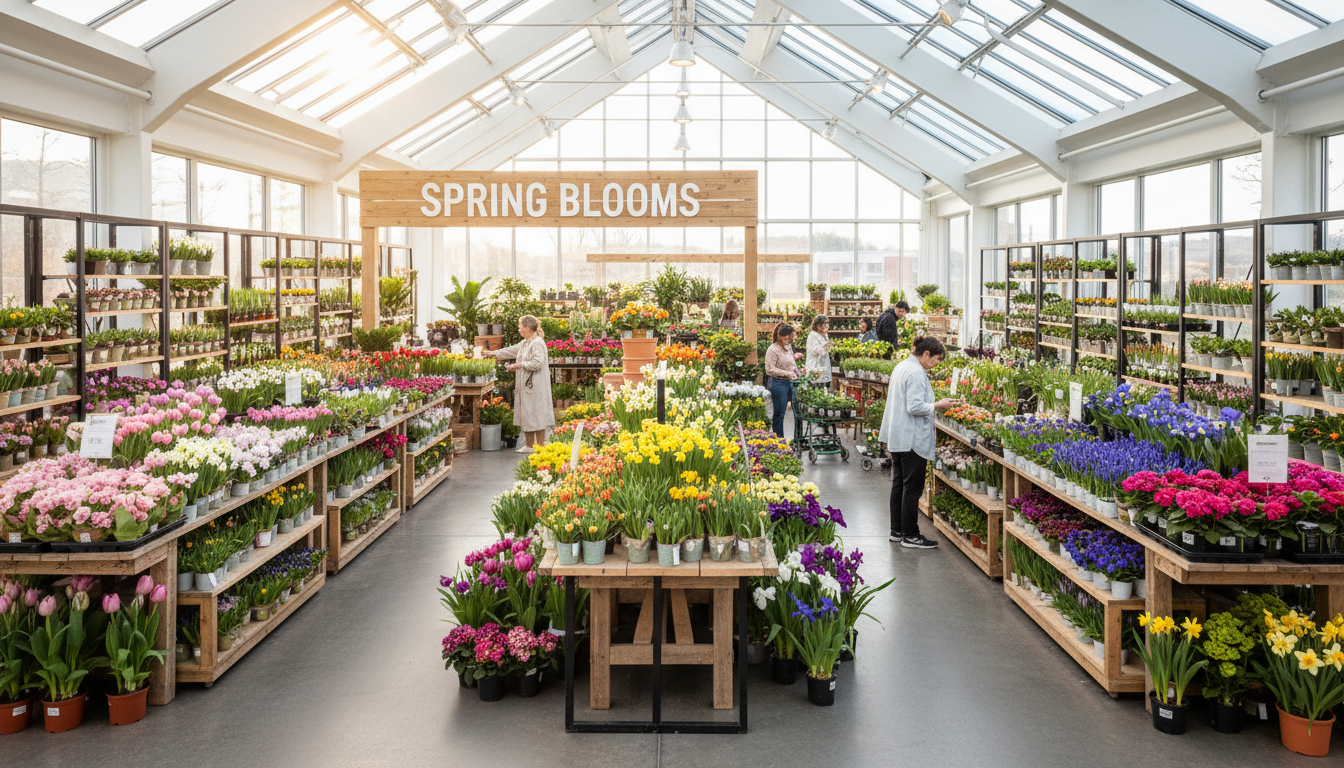
- Tree pollen: Often a problem in the spring.
- Grass pollen: More common in late spring and summer.
- Weed pollen: Typically an issue in the fall.
Each type of pollen has its own peak season, which can vary depending on geographic location and climate. Knowing these peaks can help in preparing and managing symptoms effectively.
Symptoms and Diagnosis
Symptoms of seasonal allergies can vary but often include sneezing, nasal congestion, itchy eyes, and a scratchy throat. In some cases, individuals may also experience fatigue and headaches. Recognizing these symptoms early can lead to better management and relief.

Diagnosis typically involves a combination of a medical history review and possibly skin or blood tests to identify specific allergens. Consulting a healthcare provider can provide clarity and guide effective treatment options.
Treatment Options
There are several treatment options available for managing seasonal allergies:
- Antihistamines: Help alleviate sneezing and itching.
- Decongestants: Reduce nasal congestion.
- Nasal corticosteroids: Decrease inflammation and provide relief.
In many cases, a combination of treatments may be recommended for optimal relief. Over-the-counter options can be effective, but it's always best to consult with a pharmacist or healthcare provider.

Preventive Measures
Prevention is key in managing seasonal allergies. Some effective measures include:
- Keeping windows closed during peak pollen times.
- Using air purifiers to reduce indoor allergens.
- Showering and changing clothes after being outdoors.
These strategies can help minimize exposure and reduce the severity of symptoms, allowing individuals to enjoy the outdoors more comfortably.
Consulting a Pharmacist
A pharmacist can provide valuable advice on managing seasonal allergies. They can help identify the most effective over-the-counter medications and explain how to use them safely. Moreover, pharmacists can offer guidance on when it might be necessary to see a doctor for prescription options.
Understanding and managing seasonal allergies can significantly improve quality of life. With the right knowledge and resources, individuals can enjoy each season with minimal discomfort.