The Evolution of Pharmacy: From Apothecaries to Modern Pharmacies


The Origins of Apothecaries
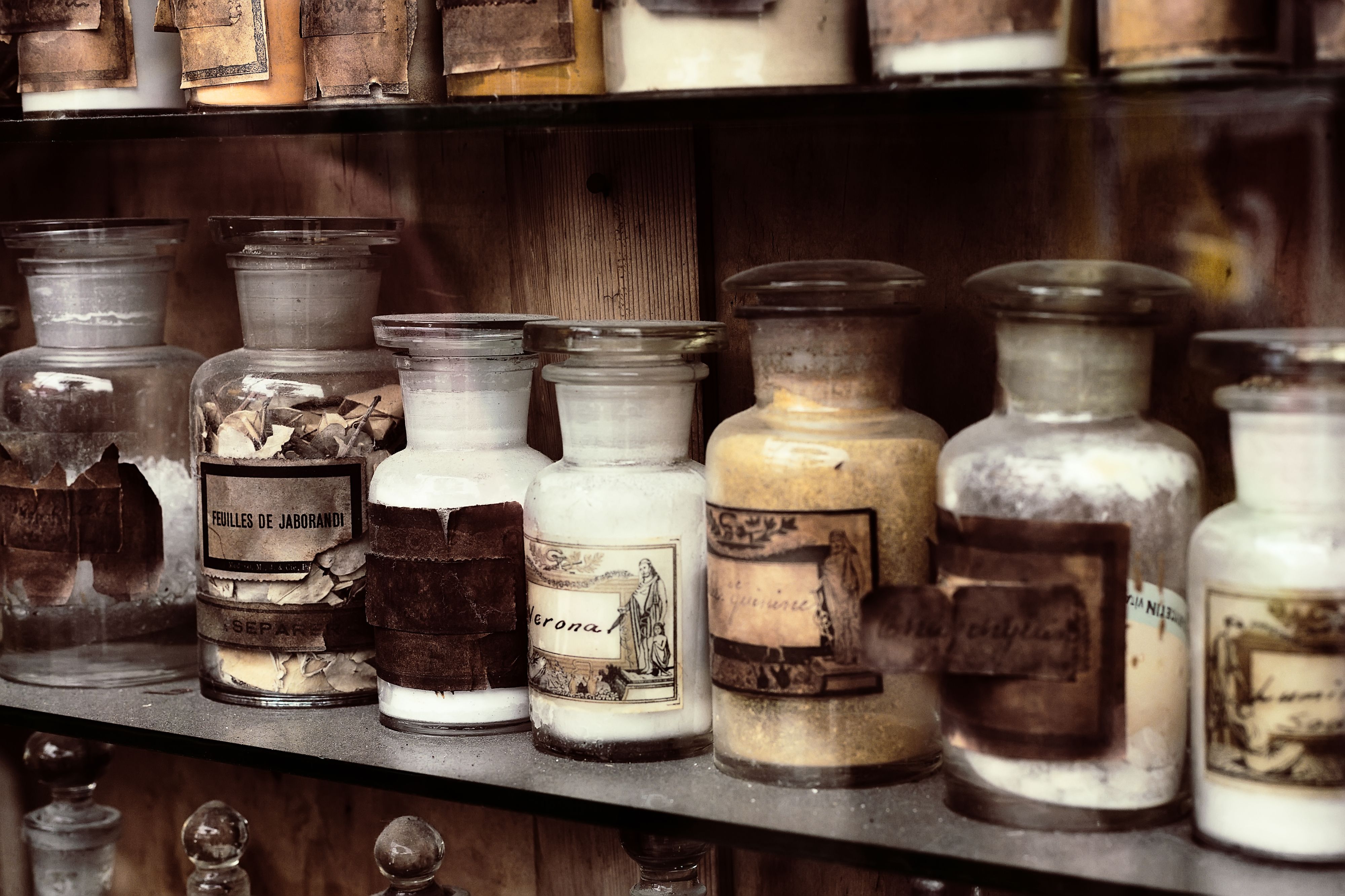
The journey of modern pharmacies can be traced back to ancient apothecaries. These were the early practitioners of the art of preparing and dispensing medicinal concoctions. In ancient civilizations like Egypt, Greece, and China, apothecaries were revered for their knowledge of herbs and remedies. They played a crucial role in healthcare, often working closely with physicians to provide treatment.
Apothecaries often operated out of small shops where they compounded medicines tailored to individual patients. This practice laid the groundwork for the personalized care that is emphasized in today's pharmacies. The skills and knowledge of apothecaries were usually passed down through generations, creating a lineage of expertise in medicinal preparation.
The Transition to Pharmacies
As societies evolved, so did the role of apothecaries. By the Middle Ages, apothecaries began to take on a more standardized form, resembling what we now recognize as pharmacies. This period saw the establishment of guilds and the formalization of pharmacy as a distinct profession, separate from medicine and surgery.
During this time, the first pharmacy schools were established to ensure that apothecaries were properly trained. This shift was crucial in maintaining the quality and safety of medicinal products. The development of pharmacopoeias, which standardized medicine recipes, further helped to professionalize the field.
The Industrial Revolution and Pharmaceutical Advancements
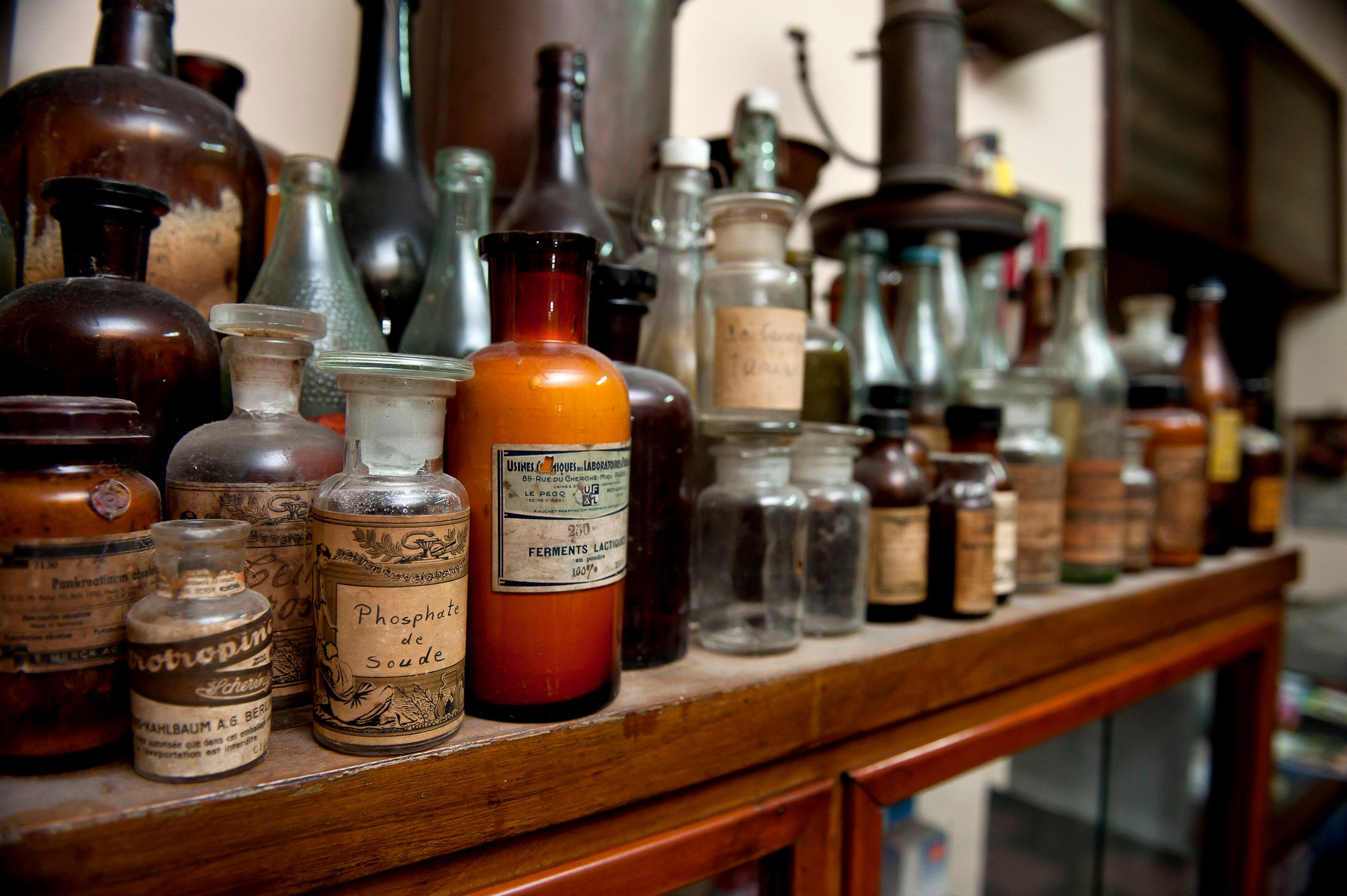
The Industrial Revolution brought significant advancements to the field of pharmacy. Innovations in manufacturing allowed for the mass production of medicines, making them more accessible to the general public. This period also saw the rise of pharmaceutical companies, which played a key role in drug development and distribution.
With the advent of chemistry as a scientific discipline, pharmacists began to understand the active ingredients in plants and started synthesizing chemicals for therapeutic use. This scientific progress led to the creation of entirely new classes of drugs, transforming the way diseases were treated.
Modern Pharmacies: A Cornerstone of Healthcare
Today, pharmacies are an integral part of the healthcare system. They serve as accessible healthcare hubs, offering a wide range of services beyond dispensing medications. Modern pharmacists are highly trained professionals who provide valuable health consultations, vaccination services, and medication management.
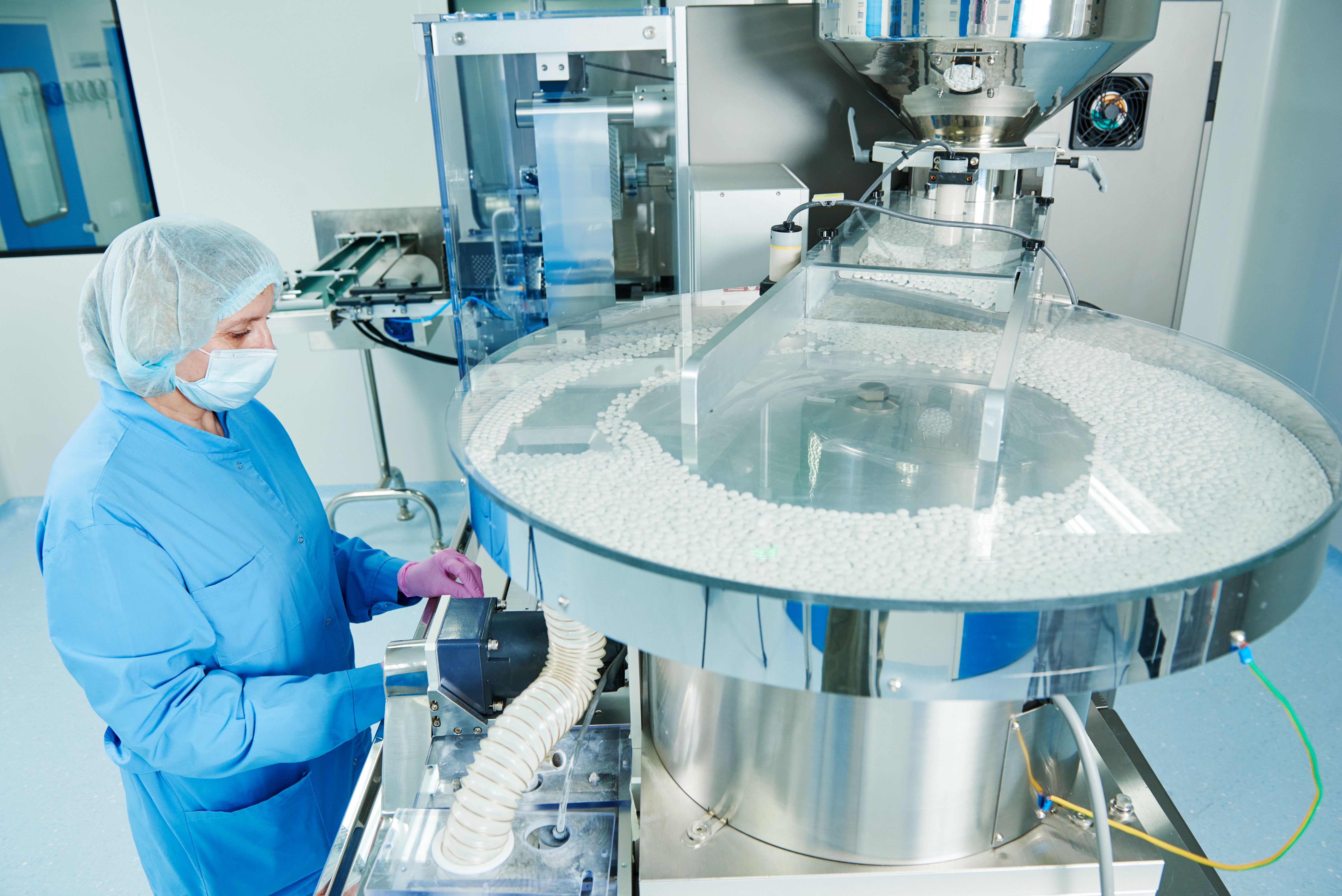
The introduction of technology has further transformed pharmacies. From electronic prescriptions to automated dispensing systems, technology has streamlined pharmacy operations, enhancing both efficiency and patient safety. Many pharmacies now offer online services, allowing patients to order medications from the comfort of their homes.

The Future of Pharmacy
As we look to the future, pharmacies are set to continue evolving. With advancements in personalized medicine and biotechnology, pharmacies will play an even larger role in tailoring treatments to individual patients. The integration of artificial intelligence and data analytics is expected to further revolutionize the field, offering insights into patient care and drug efficacy.
Moreover, the focus on preventive care and holistic wellness is likely to expand the scope of pharmacy services. As pharmacists take on more responsibilities in patient care, they will continue to be vital contributors to the healthcare landscape.