Debunking Common Pharmacy Myths: What You Need to Know


Understanding Pharmacy Myths
Pharmacies play a crucial role in healthcare, yet many myths persist about what they do and how they operate. These misconceptions can lead to confusion and misinformation, which is why it's important to set the record straight. In this post, we'll debunk some of the most common pharmacy myths and provide you with the facts.

Myth 1: Pharmacists Just Dispense Medications
One of the most prevalent myths is that pharmacists merely dispense medications. In reality, pharmacists are highly trained healthcare professionals who do much more. They provide crucial advice on medication management, drug interactions, and potential side effects. This expertise helps ensure patient safety and effective treatment.
Pharmacists are also involved in administering vaccines, conducting health screenings, and offering wellness advice. Their role in healthcare is far more comprehensive than many people realize.
Myth 2: Over-the-Counter Medications Are Always Safe
Another common misconception is that over-the-counter (OTC) medications are always safe because they don't require a prescription. While OTC medications are generally safe when used as directed, they can still pose risks. It's essential to follow dosage instructions carefully and be aware of potential interactions with other medications.

Pharmacists can provide valuable guidance on OTC medication use, ensuring that it is both safe and effective. They can help you choose the right product and advise you on proper usage.
Myth 3: Generic Medications Are Inferior
Many people believe that generic medications are less effective than brand-name drugs. However, generic medications contain the same active ingredients and are required to meet the same standards for quality and effectiveness as their brand-name counterparts. The primary difference is cost, with generics typically being more affordable.
Choosing generic medications can lead to significant savings without compromising on quality. Pharmacists can provide information about the availability of generic options and their benefits.
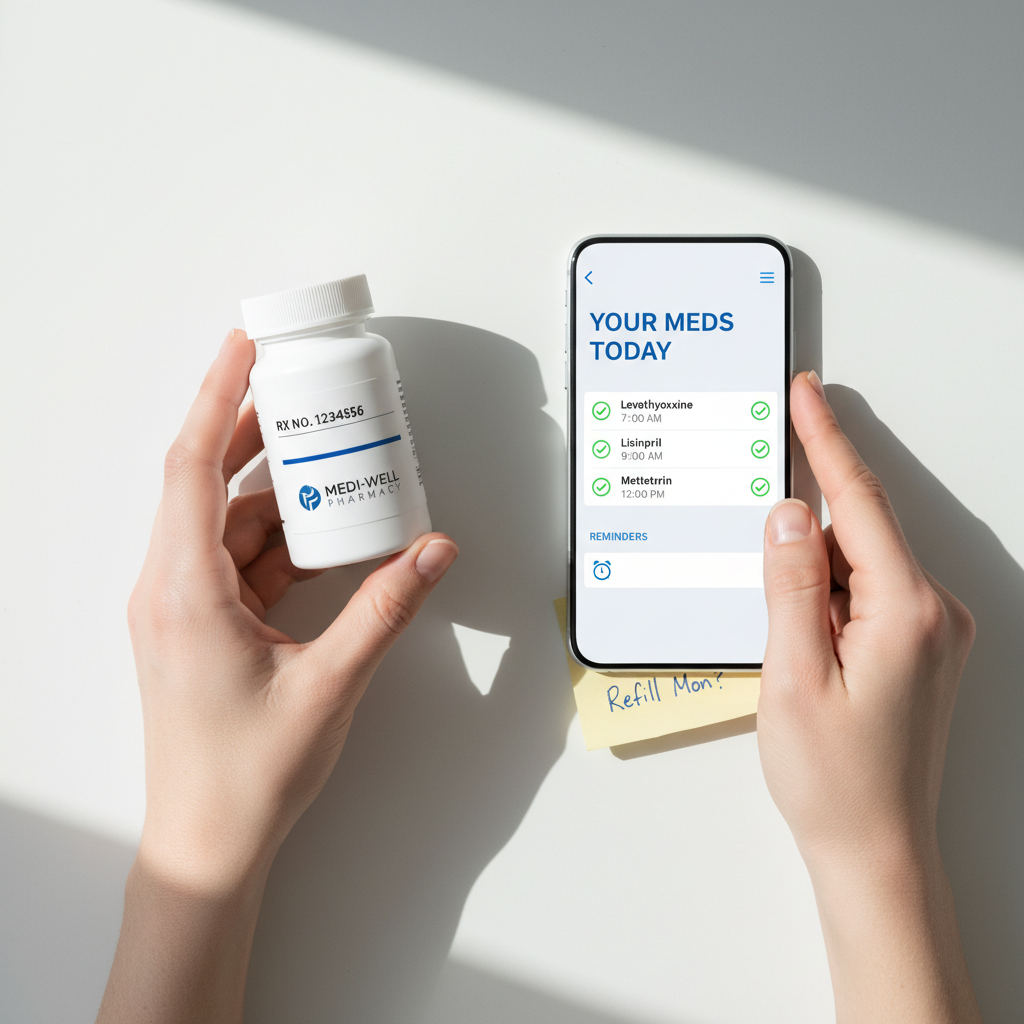
Myth 4: You Don't Need a Pharmacist's Advice if You Have a Prescription
Some patients think that having a prescription eliminates the need for a pharmacist's input. However, pharmacists play an essential role in clarifying instructions, checking for potential drug interactions, and answering any questions you may have about your medication.
By consulting with a pharmacist, you can gain a better understanding of your treatment plan and how to manage your medications effectively. This collaboration can lead to improved health outcomes.
Conclusion: The Value of Pharmacists
Pharmacists are a vital component of the healthcare system, offering services and expertise that go far beyond simply filling prescriptions. By debunking these myths, we hope to enhance your understanding of their role and encourage you to make the most of the services they provide.
Next time you visit a pharmacy, remember that the pharmacist is there to assist you with a range of healthcare needs, from advising on medication safety to providing wellness support. Their knowledge and expertise are invaluable resources on your health journey.